CAS
2650-50-2 Purity
---
2650-50-2 Purity
---


If you have any other questions or need other size, please get a quote.
Specification
 Tanaka K-I, et al. Biomedicine & Pharmacotherapy, 2025, 185, 117965.
In this study, metallothionein (MT) was evaluated for its protective effect against urban aerosol-induced acute lung injury using metallothionein knockout (MT-KO) and wild-type (WT) mice. Acute lung injury was induced via intratracheal administration of urban aerosols. Bronchoalveolar lavage fluid (BALF) analysis revealed that MT-KO mice exhibited significantly higher inflammatory cell infiltration, total protein, and dsDNA levels compared to WT controls. Lung tissue analyses showed elevated mRNA expression of proinflammatory cytokines (Tnf-α, Il-1β, Il-6) and chemokines (Kc, Mip2) in MT-KO mice following aerosol exposure. Reactive oxygen species (ROS) production, assessed via in vivo chemiluminescence imaging, was 3.1-fold higher in MT-KO lungs relative to WT lungs. Notably, intraperitoneal administration of zinc acetate induced MT expression, reducing inflammatory responses and ROS generation. These findings demonstrate the experimental application of metallothionein as an antioxidant agent mitigating air pollutant-induced pulmonary injury.
 Mo C-F, et al. Chemico-Biological Interactions, 2025, 418, 111614.
This study investigated the role of metallothioneins (MTs) in modulating the antitumor activity of isoconazole nitrate (ISN) in hepatocellular carcinoma (HCC). In vitro, HCC cells were treated with ISN, with or without MT knockdown, and analyzed for proliferation, motility, and ROS generation. Transcriptome sequencing coupled with Gene Ontology enrichment revealed MT family genes as key detoxification responders. NRF2 nuclear translocation and binding to antioxidant response elements were confirmed, linking MT transcription to redox homeostasis. In vivo, HepG2 xenografts in nude mice received intraperitoneal injections of ISN (20 mg/kg) and/or the MT inhibitor PPG (40 mg/kg) every other day. Tumor growth, volume, and proliferation markers (Ki67, cleaved PARP) were measured, alongside lipid peroxidation (MDA). Combined ISN and MT inhibition significantly suppressed tumor progression, demonstrating MTs' protective role and providing a robust experimental framework for enhancing ISN efficacy.
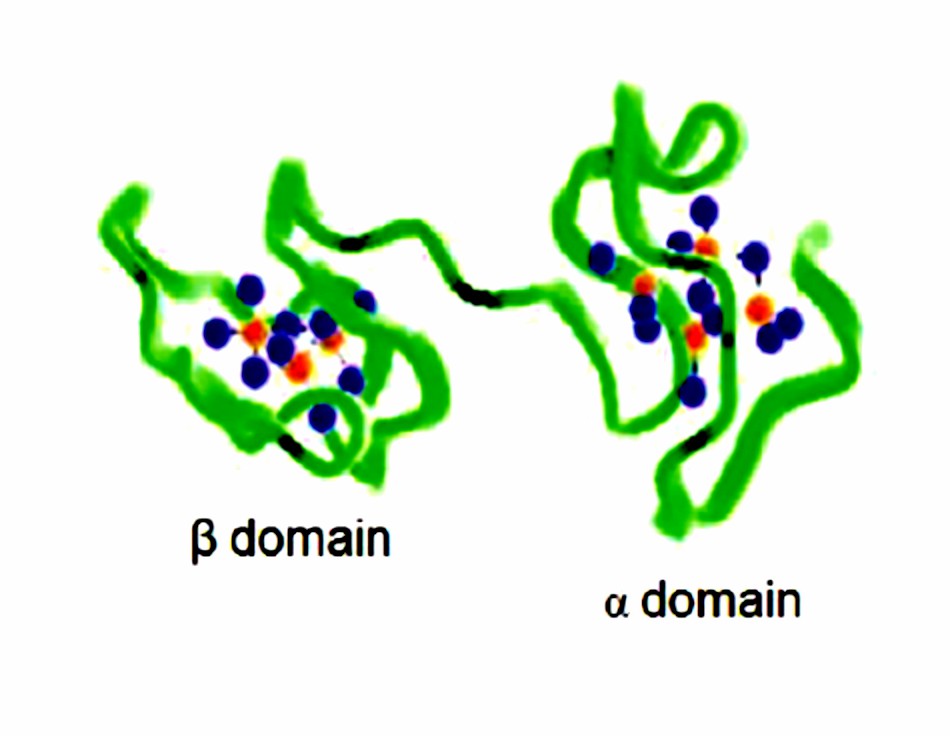
Metallothionein: Functions, Isoforms, and Roles in Cancer Progression and Therapy
Metallothionein are low-molecular-weight cysteine-based proteins that trap metal ions with thiol groups. MT was first identified in 1957 by Margoshes and Vallee and is a metalloprotein, because of its abundance of metals and unusual bioinorganic architecture.
Read MorePlease kindly note that our products are for research use only.
 Download


