


Mordant Dyes: What They Are, How They Work, and How to Choose and Use Them Safely for Research
What Are Mordant Dyes?
Mordant dyes are a class of dyes that require a third-party substance—a mordant—to form a strong, often insoluble complex (a "dye lake") that attaches to a fiber. Unlike substantive dyes that attach through direct ionic or hydrophobic interactions, mordant dyes rely on coordination chemistry: a metal ion (or other mordanting agent) coordinates both the dye chromophore and reactive sites on the fiber, producing improved wash and light fastness, and often a different shade than the dye alone. This mechanism explains why the same dye can give different colors with different mordants.
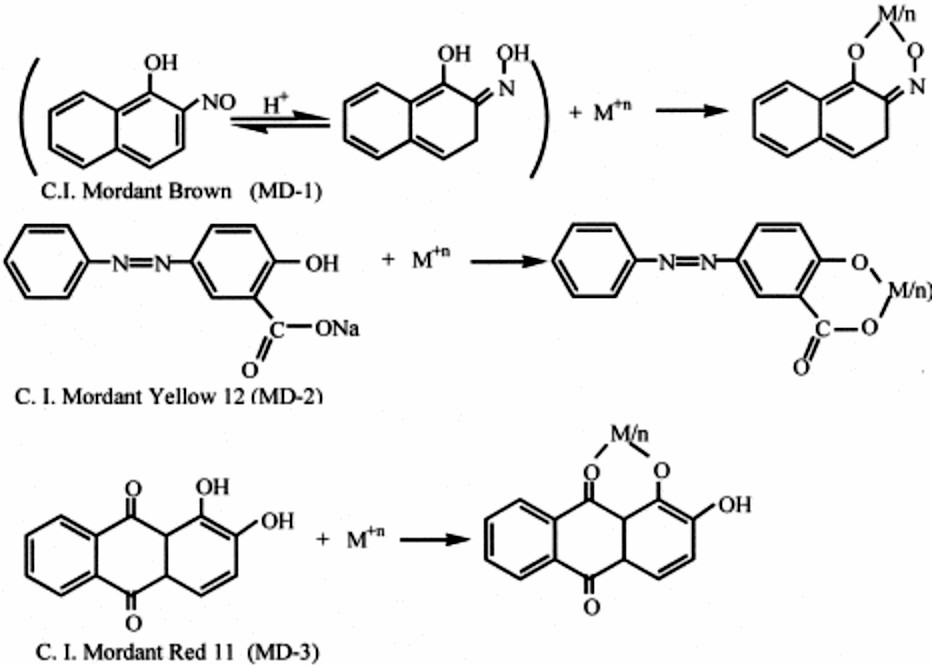 Fig.1 Complexation reaction between dyes and metal ions[1].
How Does Mordant Alter Color and Fixation?
When a mordant coordinates with a dye molecule, it changes the dye's electronic environment—altering the absorption peak and thus altering the perceived color. Coordination increases the effective molecular size and reduces solubility, thereby improving wash fastness and migration fastness.
Common mordants (historically aluminum, iron, copper, tin, and chromium) produce predictable effects: alum (Al3+) typically brightens and fixes many natural and synthetic mordant dyes, while iron (Fe2+/Fe3+) "dulls" (darkens/reduces hue), and tin (Sn2+/Sn4+) brightens reds and oranges.
It is precisely because of these predictable hue changes that dyers intentionally use different mordants to adjust the hue. However, some effective mordants (such as the historically used hexavalent chromium) are now restricted due to environmental and health reasons.
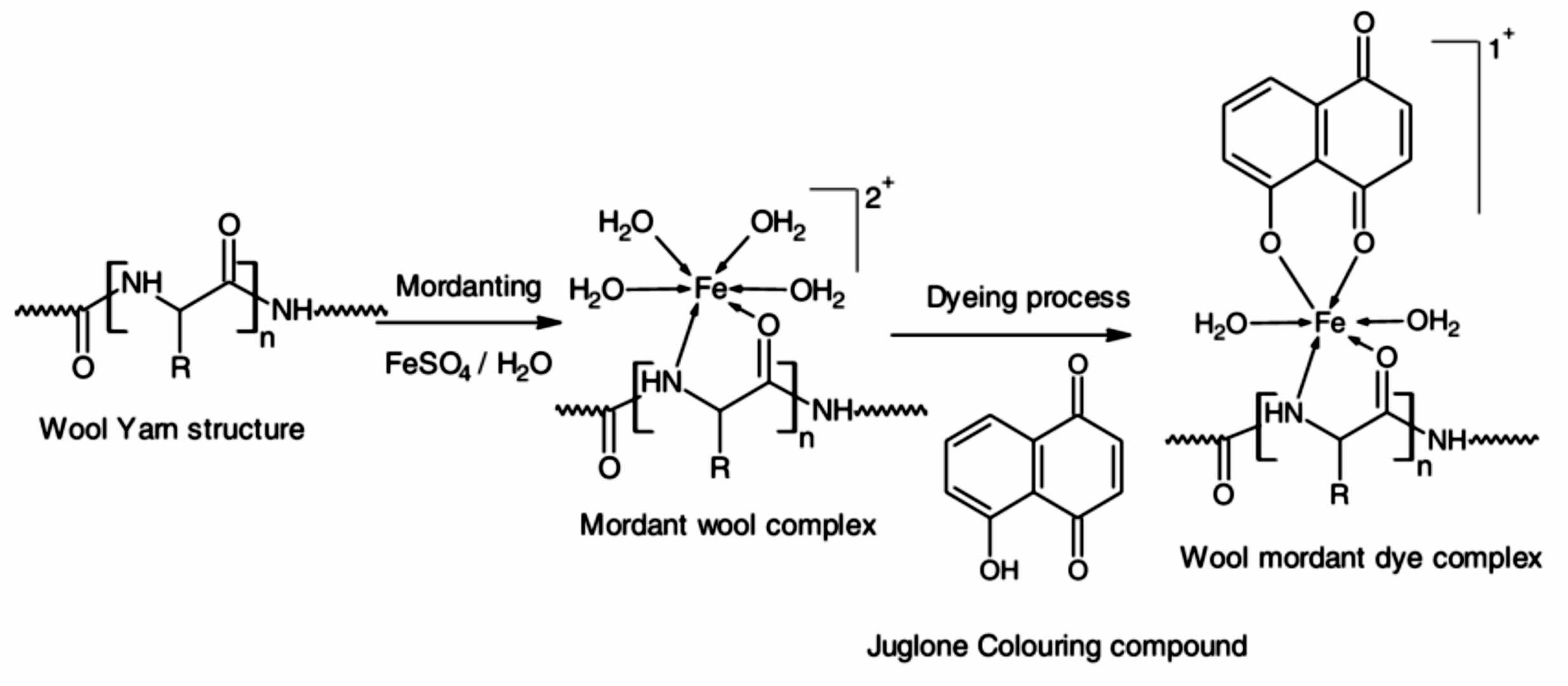 Fig.2 A schematic diagram of the interaction between wool, mordant, and dye[2].
How to Choose the Right Mordant Dye?
The selection of modant dyes for research applications depends on several factors:
- Target Substrate: Wool and silk (protein fibers) are amphoteric fibers, and their binding with mordants typically differs from that of cellulose (cotton, linen). Cellulose usually requires tannin pretreatment or different mordant chemistry methods to achieve similar colorfastness.
- Fastness Requirements: Check the grades of wash fastness, light fastness, perspiration fastness, and rubbing fastness. For studies simulating end-use performance, dyes with high fastness values under the expected stress conditions should be prioritized. (See Alfa Chemistry's Mordant Dye Product List for standardized fastness columns.)
- Tone Control: Select modant-dye combinations known to produce the target tone (alum = brighter, iron = deeper/vintage tone, copper = greenish, tin = enhanced scarlet).
- Environmental and safety characteristics: Consider whether the metal modant meets the disposal requirements and laboratory safety standards; in exploratory work, use modants with lower toxicity or biological modants whenever possible.
What Representative Mordant Dyes Does Alfa Chemistry Offer?
Alfa Chemistry maintains a categorized list of mordant dyes (color categories: yellow, red, purple, orange, green, blue, brown, and black) containing product catalog IDs, color indexes, CAS numbers, and colorfastness data—information crucial for research selection and experimental reproducibility. The table below briefly illustrates representative entries to illustrate the types of metadata researchers can access when selecting mordant dyes for laboratory work. Alfa Chemistry explicitly states that its products are for research use only.
| Catalog | Product Name | Typical Color Index | CAS | Key Fastness Notes | Price |
|---|---|---|---|---|---|
| DYE-MOR-0001 | Mordant Yellow G (Mordant Yellow 1) | Yellow | 584-42-9 | Good ironing & light fastness (reported 3–4 / 4–5) — suitable for lab colorfastness trials. | Inquiry |
| DYE-MOR-0010 | Mordant Red G (Mordant Red 9) | Red | 1839-22-2 | Moderate washing & perspiration fastness; often used to study tin/alum interactions. | Inquiry |
| DYE-MOR-0031 | Brilliant Alizarine Blue D (Mordant Blue 51) | Blue (alizarin derivative) | 6379-01-7 | Alizarin-type mordant blues show distinct mordant shifts; good light fastness. | Inquiry |
| DYE-MOR-0057 | Alizarine Black S (Mordant Black 37) | Black | 475-38-7 | High reported fastness; valuable as a benchmark in fastness studies. | Inquiry |
| DYE-MOR-0022 | Mordant Green J (Mordant Green 4) | Green | 10279-68-2 | Useful when studying chrome/copper modifiers and green tone formation. | Inquiry |
How to Evaluate Colorfastness and Chromatographic Properties Experimentally?
Below is a research-oriented experimental design framework for formulation and performance testing:
A. Materials and Pretreatment
- Identify the fiber type (wool/silk/cotton) and record batches.
- For cellulose (cotton/linen), consider pretreatment with tannin to improve dye adsorption.
B. Mordant Scheme Comparison (Pre-mordant / Meta-mordant / Post-mordant)
- Pre-mordant: The fiber is treated in a separate mordant bath, then dyed in a second bath with the same dye.
- Meta-mordant: Mordant is added to the dye bath (simple, but not suitable for all dyes).
- Post-mordant: Dyeing followed by mordant; sometimes avoids fiber damage or controls the final color.
For the same dye, perform three methods to quantify color difference (ΔE), color fastness, and surface morphological changes (e.g., SEM to check for particle deposition).
C. Characterization Methods
- Reflectance spectrophotometer (colorimetry; calculation of ΔE).
- UV-Vis spectroscopy (UV–Vis) measures the absorption shift of the dye-mordant combination (λmax change characterizes coordination effects).
- ICP-OES/AAS: Determines residual metal content on fibers to assess mordant dosage and fixation rate.
- Rapid washing/light exposure test (ISO or AATCC standard) is used for quantitative rapid colorimetry.
The combination of these methods provides a comprehensive description of the chromatographic and performance behavior of mordant dyes under research conditions.
Safety and Environmental Considerations in Mordling Processes
Improper handling and disposal of metal mordants can lead to regulated waste and environmental problems. Chromium, tin, and some heavy metal mordants are toxic and difficult to dispose of.
Modern research emphasizes:
- Replacing harmful mordants whenever possible (e.g., acceptable metals like aluminum and iron); exploring biomordants, such as tannins, plant extracts, or other chelating agents.
- In laboratory-scale wastewater treatment, minimizing metal concentrations and recycling/treating wastewater (precipitation, adsorption, or ion exchange methods).
- Recording the metal content on treated fabrics (inductively coupled plasma atomic emission spectrometry, ICP) to assess the likelihood of metal leaching under end-use conditions.
Emerging Direction: Biomordanting and Sustainable Solutions
Recent research has focused on using plant-based tannins (myrobalan, gallnuts, etc.), polyphenols, or other natural chelating agents as "biomordant" to reduce metal load. Literature shows that some biomordant treatments can achieve similar performance to low-toxicity metal mordant treatments in terms of color fastness and hue control, although stability and cost issues remain at the industrial scale. For researchers, this means that alternative experiments can be designed to compare the differences between traditional metal mordant treatments and biomordant treatments in terms of chromatography, residual metals, and ecological footprint.
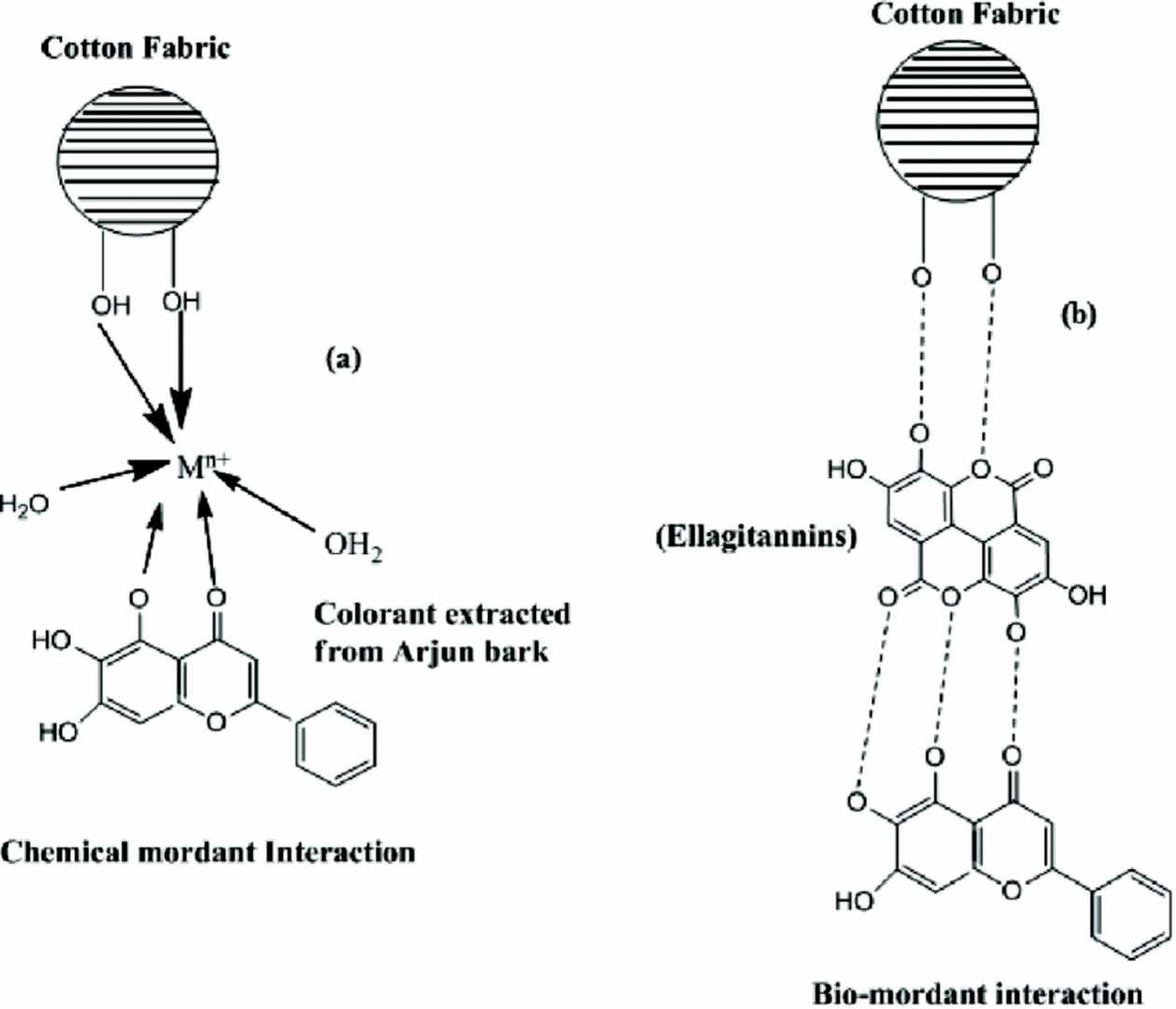 Fig.3 Proposed mechanism for interaction between chemical (a) and biomordant (b), cotton and colorant[3].
How to consider biomordanting in Alfa Chemistry's mordant dyes?
Alfa Chemistry's mordant-dye catalog is fully compatible with the analytical comparison of traditional metal mordant systems and biomordant systems. Researchers can purchase any of our listed mordant dyes and experiment using aluminum (Al3+) or iron (Fe3+) salts as standard mordant while using other plant-derived biomordant treatments (e.g., tannin-rich extracts). This dual-pathway strategy enables the study of both traditional and emerging sustainable dyeing routes, yielding data on colorimetric properties, color fastness, and residual metal content.
Experimental design recommendations:
- Divide the same dye into two groups: one using a traditional Al3+ or Fe3+ mordant, and the other using a bio-mordant (tannin extract).
- Maintain consistency in fiber type, dye bath conditions, and dye concentration.
- Compare subsequent color, color fastness (washing, light exposure, rubbing), and residual metal content (ICP analysis).
Note: When exploring bio-mordant routes, it is recommended to record the source and concentration of the bio-mordant, maintain consistency in dyeing parameters, and establish a standard metal mordant control for rigorous comparison.
References
- Guzel B., et al. (2000). "Mordant dyeing of wool by supercritical processing." The Journal of Supercritical Fluids. 18(3), 247-252.
- Bukhari MN., et al. (2017). "Dyeing studies and fastness properties of brown naphtoquinone colorant extracted from Juglans regia L on natural protein fiber using different metal salt mordants." Textiles and Clothing Sustainability. 3, 3.
- Adeel S., et al. (2021). "Eco-Friendly Isolation Of Colorant From Arjun Bark For Dyeing Of Bio-Mordanted Cotton Fabric Short Title: Dyeing of bio-mordanted cotton with arjun bark colorant." Journal of Natural Fibers. 19, 4684-4695.
It is important to note that our products are for research use only and are not for clinical use.