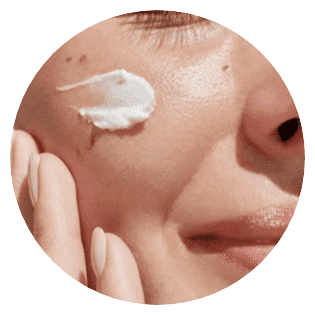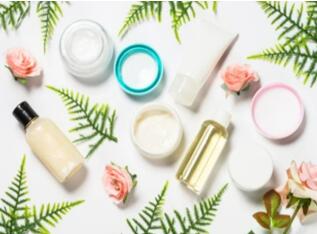
Cosmetics and personal care products are applied to the human body for the purposes of cleaning, beautifying, promoting attractiveness or changing its appearance. They are the most important beauty and fashion products for both men and women, with a huge market share. As the economy continues to improve, the cosmetics and personal care industry becomes more competitive. In today's competitive market, standing out as a brand owner or distributor requires offering innovative products while maintaining product performance, safety, and quality. It may seem hard, but there is a solution that can help you: deformulation service for cosmetics and personal care. By analyzing the physical and chemical properties of existing products, determining the present ingredients and their concentrations, you can easily reformulate innovative products and create superior performance products that resonate with your target audience. For brands seeking regulatory compliance, deformulation also provides the foundational data needed for INCI declarations, preservative efficacy evaluation, and safety assessments. With many years of testing and analysis experience in the cosmetics formulation and chemical composition of a wide range of products, Alfa Chemistry provides deformulation service for cosmetics and personal care products to customers around the world.
Why Do You Need Deformulation Service?
As mentioned above, deformulation service is a valuable tool for you to create innovative cosmetic and personal care products. In fact, beyond that, the deformulation for cosmetic and personal care products allows to (including but not limited to):
- Efficacy ingredient analysis: Identify and quantify active ingredients responsible for product efficacy, including anti-aging agents, brightening compounds, moisturizing factors, and UV filters. This data enables evidence-based product positioning and substantiated marketing claims.
- INCI compliance and regulatory support: Ensure your product formulations comply with international cosmetic ingredient labeling standards. Deformulation provides accurate INCI nomenclature data, supporting regulatory submissions for global authorities.
- Preservative challenge testing: Evaluate the effectiveness of preservative systems through comprehensive identification and quantification of antimicrobial agents.
- Quality control: Analysis of product composition and concentration levels to ensure consistent quality across batches, identify batch-to-batch variations, and verify raw material consistency.
- Intellectual property protection: In the competitive world of cosmetics, protecting your unique formula is crucial. The service can identify potential patent infringements and support trade secret litigation.
- Ensure product safety: Deformulation analysis service can analyze and identify the contaminants, impurities and heavy metals of cosmetic and personal care products, ensuring compliance with safety standards.
- Competitive reverse engineering: Understand the formulation strategy of market-leading products, including their active ingredient systems, delivery technologies, and sensory modifiers, to inform your own product development pipeline.
Meet Our Services
At Alfa Chemistry, deformulation of cosmetics and personal care products is simple. Our experienced chemists have the ability to perform deformulation service on a wide range of cosmetics and personal care products, including but not limited to:
- Skincare products (cleansers, moisturizers, serums, face masks...)
- Haircare products (shampoos, conditioners, styling products...)
- Body care products (body wash, lotions, deodorants...)
- Makeup products (foundation, lipstick, eyeshadow, mascara...)
- Oral care products (toothpaste, mouthwash, dental floss...)
- Nail care products (polish, nail treatments...)
- Fragrances (perfumes, colognes...)
- Sunscreen and sun protection products
- Hair removal products (shaving cream, wax strips, depilatory creams...)
- Men's grooming products (shaving creams, aftershaves...)
- ...
Whether your product is emulsion, paste, gel or liquid, Alfa Chemistry can provide you with deformulation service of cosmetics and personal care products.
For the above products, Alfa Chemistry can analyze all ingredients of the Nomenclature of Cosmetic Ingredients (INCI) list of products submitted by customers. This process may involve visual, chemical, and analytical methods, ensuring we accurately perceive the product's major and minor ingredients, even down to very low levels of certain chemicals and additives. In addition, Alfa Chemistry understands that cosmetics have many ingredients and complex formulations, and comprehensive identification and quantification of all ingredients may not be cost-effective, or may not be required by the customer. Based on this, we can analyze the ingredients specified by the customer or major components.
Efficacy Ingredient Analysis
In the modern cosmetics industry, efficacy is the key differentiator. Consumers demand products that deliver measurable results, and brands must substantiate their claims with scientific evidence. Alfa Chemistry's deformulation service provides deep analytical insight into the active ingredients that drive product performance.
- Anti-aging agents: Identification and quantification of peptides, retinoids, antioxidants (vitamin C, vitamin E, ferulic acid), and collagen-boosting compounds. Our analysis reveals the concentration and stability of these sensitive active ingredients.
- Skin brightening agents: Accurate quantification of ingredients such as niacinamide, kojic acid, arbutin, tranexamic acid, and vitamin C derivatives, enabling precise formulation matching and efficacy validation.
- Moisturizing and humectant systems: Comprehensive profiling of hyaluronic acid, glycerin, ceramides, squalane, and other moisturizing agents, including molecular weight distribution analysis for HA.
- UV filters and sunscreens: Complete characterization of organic and inorganic UV filter systems, including avobenzone, octinoxate, zinc oxide, and titanium dioxide, with concentration verification against labeled SPF ratings.
- Exfoliating and resurfacing agents: Identification of alpha-hydroxy acids (AHAs), beta-hydroxy acids (BHAs), and enzymes, including pH and concentration profiling for safety and efficacy assessment.
- Preservative and stabilization systems: Analysis of preservative efficacy through quantitative profiling of parabens, phenoxyethanol, benzyl alcohol, and natural preservative alternatives, supporting compliance with global regulatory limits.
INCI Compliance and Regulatory Support
The International Nomenclature of Cosmetic Ingredients (INCI) system is the globally recognized standard for labeling cosmetic product ingredients. Compliance with INCI requirements is mandatory for markets including the EU, United States, China, Japan, and many others. Alfa Chemistry's deformulation service provides comprehensive analytical support for INCI compliance, ensuring that your product labels are accurate, complete, and regulatory-ready.
- Full ingredient identification: Complete identification of all ingredients in the formulation at concentrations above 0.1%, with accurate INCI nomenclature for each component.
- Concentration verification: Quantitative analysis to verify ingredient concentrations against labeled values, ensuring compliance with concentration-dependent regulatory restrictions.
- Allergen and restricted substance screening: Identification of EU-regulated fragrance allergens, heavy metals, and prohibited substances, supporting safety assessments and regulatory filings.
- Cross-border regulatory support: Deformulation data formatted for submission to multiple regulatory authorities, including the EU Cos Regulation, US, China, and Japan.
- Natural and organic claim verification: Analysis supporting natural origin claims by identifying synthetic versus naturally derived ingredients, with quantification of natural origin content.
- Label claim substantiation: Analytical data to support marketing claims such as "paraben-free," "sulfate-free," "fragrance-free," and other formulation-specific claims.
Preservative Challenge Testing
Preservative efficacy is critical for ensuring the microbiological safety and shelf-life stability of cosmetic and personal care products. Alfa Chemistry's deformulation approach includes comprehensive preservative system analysis, supporting the design and validation of robust preservation strategies.
Our preservative analysis service addresses the following key areas:
- Preservative identification and quantification: Accurate identification of all preservative agents in the formulation, including parabens, phenoxyethanol, benzyl alcohol, sorbic acid, salicylic acid, formaldehyde releasers, and natural preservative alternatives. Quantitative analysis ensures compliance with regulatory concentration limits.
- Preservative system interaction analysis: Evaluation of synergistic and antagonistic interactions between preservative agents and other formulation components, including emulsifiers, surfactants, and active ingredients.
- USP 51 / ISO 11930 compliance support: Deformulation data supporting preservative efficacy testing protocols, including the identification of factors that may influence preservative performance such as pH, water activity, and packaging compatibility.
- Preservative-free system validation: For products marketed as preservative-free, deformulation confirms the absence of traditional preservative agents and identifies alternative preservation strategies such as multifunctional ingredients and self-preserving formulations.
- Challenge test formulation optimization: Deformulation data guides the optimization of preservative systems by identifying the minimum effective concentration of preservative agents, reducing formulation costs while maintaining microbiological safety.
- Raw material variability assessment: Analysis of preservative concentration across different raw material lots to ensure batch-to-batch consistency in preservation efficacy.
Our deformulation services are more than just identifying and quantifying ingredients. Our team of experienced cosmetic scientists works closely with clients to translate analytical data into actionable formulation strategies, whether for product development, competitive analysis, or regulatory compliance. Please contact us today to discuss your project.
Techniques and Instruments
Alfa Chemistry uses various techniques and instruments for deformulation of cosmetics and personal care products, including but not limited to:
How We Proceed?

Frequently Asked Questions
Q: What is the minimum sample size required for cosmetics deformulation?
A: The required sample size varies depending on the product type and formulation complexity. For most liquid and cream products, 50-100 mL is typically sufficient. For solid products such as lipsticks and powders, 3-5 units are generally adequate. Our scientists will advise on the specific sample requirements for your project.
Q: Can deformulation help with INCI compliance verification?
A: Yes, deformulation is the most reliable method for verifying INCI compliance. By analytically identifying all ingredients in a formulation, we can confirm that the INCI declaration is complete and accurate, identify undeclared ingredients, and verify ingredient concentrations for regulatory compliance.
Q: How does deformulation support preservative challenge testing?
A: Deformulation provides the essential foundation for preservative system evaluation. By identifying and quantifying all preservative agents and understanding their interactions with other formulation components, we can predict preservative efficacy, identify potential incompatibilities.
Q: Can Alfa Chemistry analyze natural and organic cosmetic products?
A: Yes, we have extensive experience analyzing natural and organic cosmetic formulations. Our analytical approach can distinguish between synthetic and naturally derived ingredients, quantify natural origin content, and support natural and organic certification claims.
Q: How long does a typical cosmetics deformulation project take?
A: Project timelines depend on formulation complexity. Standard projects for simple formulations such as lotions or cleansers are typically completed within 2-3 weeks. Complex formulations such as anti-aging serums with multiple active ingredients or sunscreen products may require 3-5 weeks. Expedited services are available upon request.
Q: Are the deformulation results confidential?
A: Absolutely. All project information, analytical data, and results are treated as strictly confidential. Alfa Chemistry is happy to sign a non-disclosure agreement (NDA) before project initiation. Our confidentiality protocols ensure that your proprietary formulation information is fully protected.
Please kindly note that our products and services are for research use only.