Dynamic Mechanical Analysis (DMA)
Online Inquiry
Verification code

Dynamic Mechanical Analysis (DMA)

Online Inquiry

Dynamic Mechanical Analysis (DMA) is a powerful technique that measures the viscoelastic properties of materials by applying an oscillatory force and analyzing the resulting deformation, providing critical insights into stiffness, damping, and molecular mobility.

Dynamic Mechanical Analysis (DMA) is a sophisticated analytical technique that measures the mechanical properties of materials as a function of temperature, time, frequency, and stress. By applying a sinusoidal oscillatory force to a sample and measuring the resulting deformation, DMA determines the storage modulus (elastic response), loss modulus (viscous response), and tan delta (damping factor). At Alfa Chemistry Deformulation Lab, we utilize DMA to characterize the viscoelastic behavior of rubbers, elastomers, composites, adhesives, coatings, and films. The technique's exceptional sensitivity to molecular motions makes it the most sensitive method for detecting glass transitions and secondary relaxations, often revealing transitions that are invisible to DSC. DMA provides quantitative modulus data over a broad frequency range, enabling our analysts to predict material performance under real-world conditions.

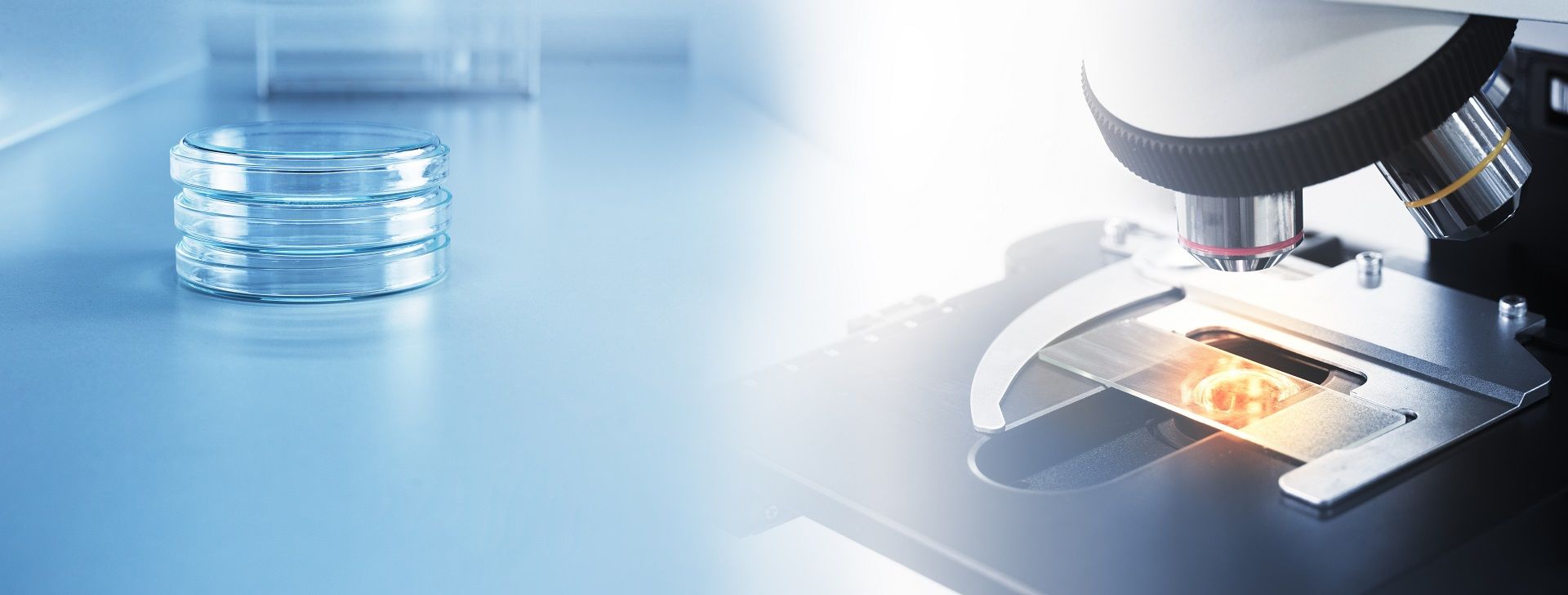
DMA Instrument

Characteristics of DMA

DMA offers distinctive analytical capabilities that set it apart from other thermal analysis techniques. The following characteristics highlight the key advantages of DMA for deformulation and materials characterization.

  • Measures Stiffness and Damping: Simultaneously quantifies storage modulus (elastic stiffness) and loss modulus (energy dissipation), providing a complete picture of material viscoelasticity.
  • Broad Frequency Range: Operates from 0.01 to 200 Hz, allowing simulation of material behavior under different loading rates and service conditions.
  • Temperature Sweep Capability: Performs controlled temperature ramps from -150 °C to 600 °C, capturing all thermal transitions from secondary relaxations to melt flow.
  • High Sensitivity to Transitions: Detects glass transitions and secondary relaxations with 10 to 100 times greater sensitivity than DSC, revealing subtle molecular motions.
  • Quantitative Modulus Data: Provides absolute values of storage modulus, loss modulus, and complex viscosity, enabling direct comparison with engineering design requirements.

What is DMA Used For?

DMA is an essential tool for understanding the mechanical performance of viscoelastic materials across a wide range of industries. At Alfa Chemistry Deformulation Lab, we apply DMA to solve complex materials challenges and support formulation development.

  • Rubber and Elastomer Analysis: Characterize viscoelastic properties, cure state, and filler reinforcement in natural and synthetic rubber compounds for tire and seal applications.
  • Composite Material Testing: Evaluate fiber-matrix interfacial properties, damping behavior, and temperature-dependent stiffness of advanced composite materials.
  • Adhesive Performance: Measure peel strength, tack, shear modulus, and temperature-dependent bonding performance of pressure-sensitive and structural adhesives.
  • Coating and Film Characterization: Determine Tg, crosslink density, and mechanical durability of protective coatings, paints, and thin polymer films.
  • Polymer Blend Compatibility: Assess miscibility of polymer blends through analysis of single vs. multiple Tg transitions in the blend system.
  • Curing Kinetics Study: Monitor real-time changes in modulus during curing of thermosets, UV-curable resins, and epoxy systems.
  • Viscoelastic Property Mapping: Generate master curves through time-temperature superposition (TTS) to predict long-term creep and stress relaxation behavior.

Application of DMA in Deformulation

In deformulation, DMA provides unique insights into the mechanical and viscoelastic properties of materials that are critical for reverse engineering elastomeric and composite formulations. By analyzing the storage modulus, loss modulus, and tan delta profiles, our analysts can identify elastomer types, quantify filler reinforcement levels, characterize curing behavior, and determine the glass transition temperature with exceptional precision. DMA is particularly effective for determining the crosslink density of thermoset materials, the type and loading of reinforcing fillers (such as carbon black or silica), and the presence of plasticizers or anti-degradants. Combined with thermal analysis techniques such as DSC and TGA, DMA contributes to a comprehensive understanding of formulation composition and processing conditions.

How We Can Help You?

Alfa Chemistry Deformulation Lab provides comprehensive DMA analysis services to support your deformulation and materials characterization needs. Our expert team utilizes state-of-the-art DMA instrumentation to deliver precise viscoelastic property data for a wide range of materials. Whether you need to reverse engineer a rubber compound, characterize an adhesive formulation, or evaluate the performance of a coating system, our DMA capabilities offer the mechanical insights required for successful deformulation. We integrate DMA results with complementary techniques including DSC, TGA, FTIR, and microscopy for a complete analytical solution.

View all techniques | Explore our services | Adhesive deformulation | Coatings analysis | Plastics and elastomers

Frequently Asked Questions

Q: How is DMA different from DSC?

A: While DSC measures heat flow to detect thermal transitions, DMA measures mechanical response (modulus and damping) to an oscillatory force. DMA is 10 to 100 times more sensitive than DSC for detecting glass transitions and can also provide quantitative modulus data for engineering applications.

Q: What types of samples can be tested by DMA?

A: DMA can test a wide variety of solid materials including films, fibers, bars, rods, and discs. Sample geometries include tension, compression, single/dual cantilever, and three-point bending fixtures to accommodate different material forms.

Q: Can DMA measure curing behavior of adhesives?

A: Yes, DMA is excellent for monitoring curing reactions in real time by tracking the increase in storage modulus as the material crosslinks. This provides valuable information about cure kinetics, gel point, and final cure state.

Q: What is tan delta and what does it indicate?

A: Tan delta is the ratio of loss modulus to storage modulus (G''/G'). It represents the damping capacity of a material. A high tan delta peak indicates strong energy dissipation and is commonly used to identify the glass transition temperature (Tg) of polymers.

Please kindly note that our products and services are for research use only.

For service inquiries, please use our online system or send an email to .